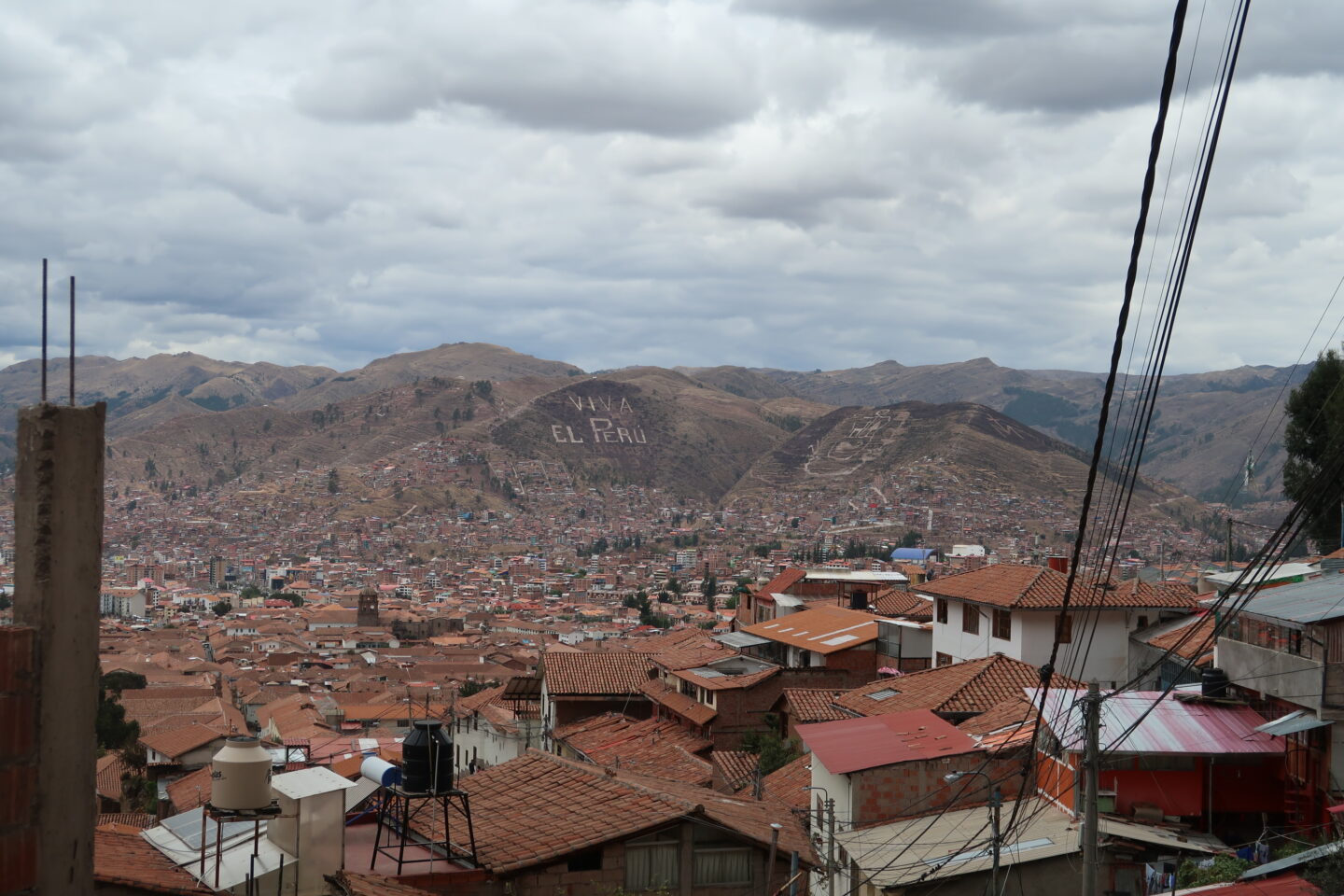
My husband and I just got back from our trip to Peru, and I can’t stop thinking about it! It’s now one of our top countries we’ve ever been to, and we weren’t expecting that. The mountains, the food, the history, the hospitality and accommodation, and the pace of it all. The whole trip blew us away, and we’re already excited to go back.
There is one thing in our itinerary that I’d change, though, and it’s why I’m writing this article. I’ve listed my hotel recommendations below, too.
I Thought I Was Immune to Altitude. I Was Wrong.
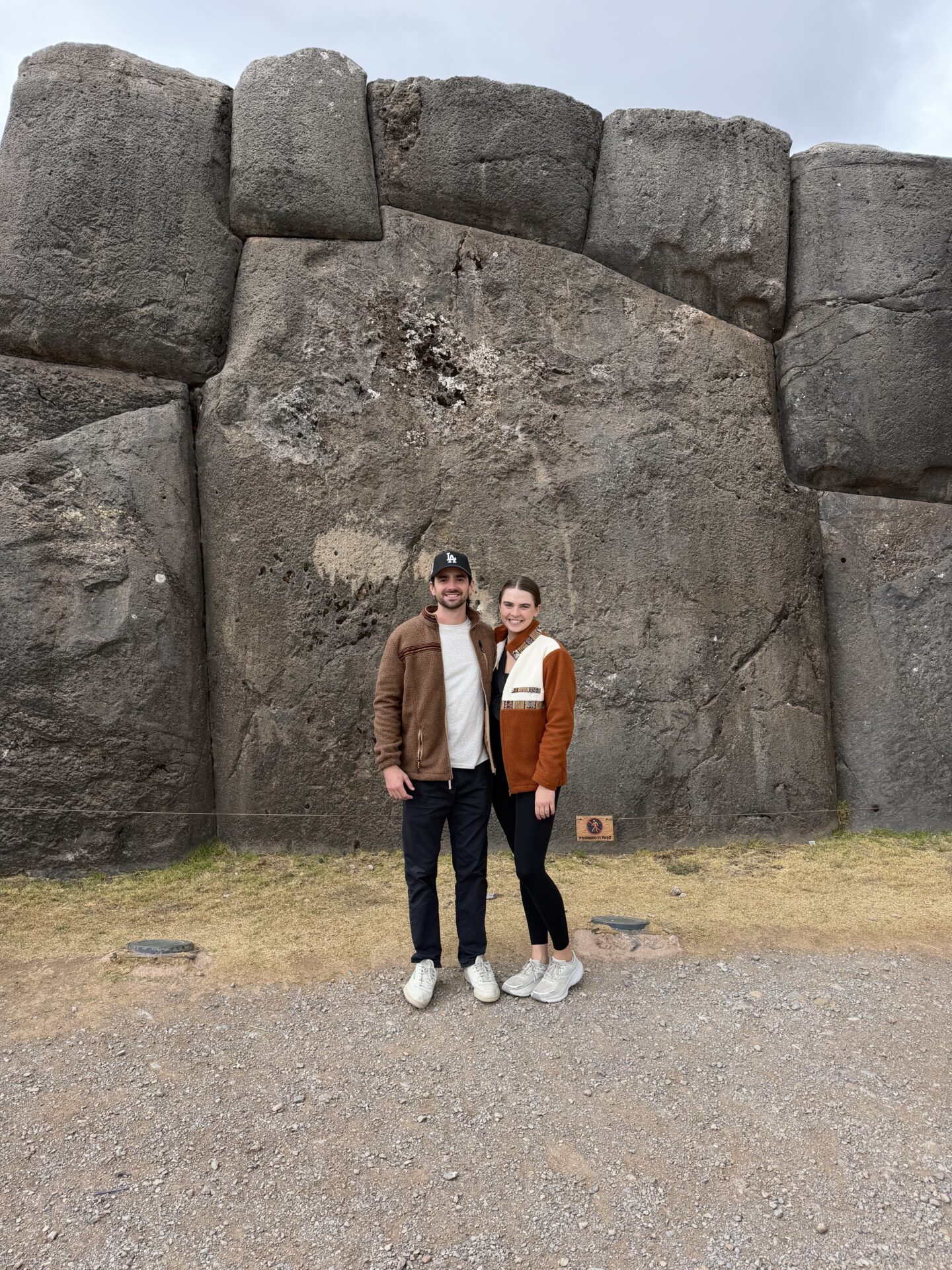
I’m from Denver, Colorado. Apart from my recent years living in LA, I’ve lived my whole life at altitude, so I figured Cusco would be no big deal. I’ve never felt the effects of altitude anywhere, but I really felt it in Cusco, and I wish I had taken it more seriously.
Drink lots of coca tea while you’re in Cusco! It really does help.
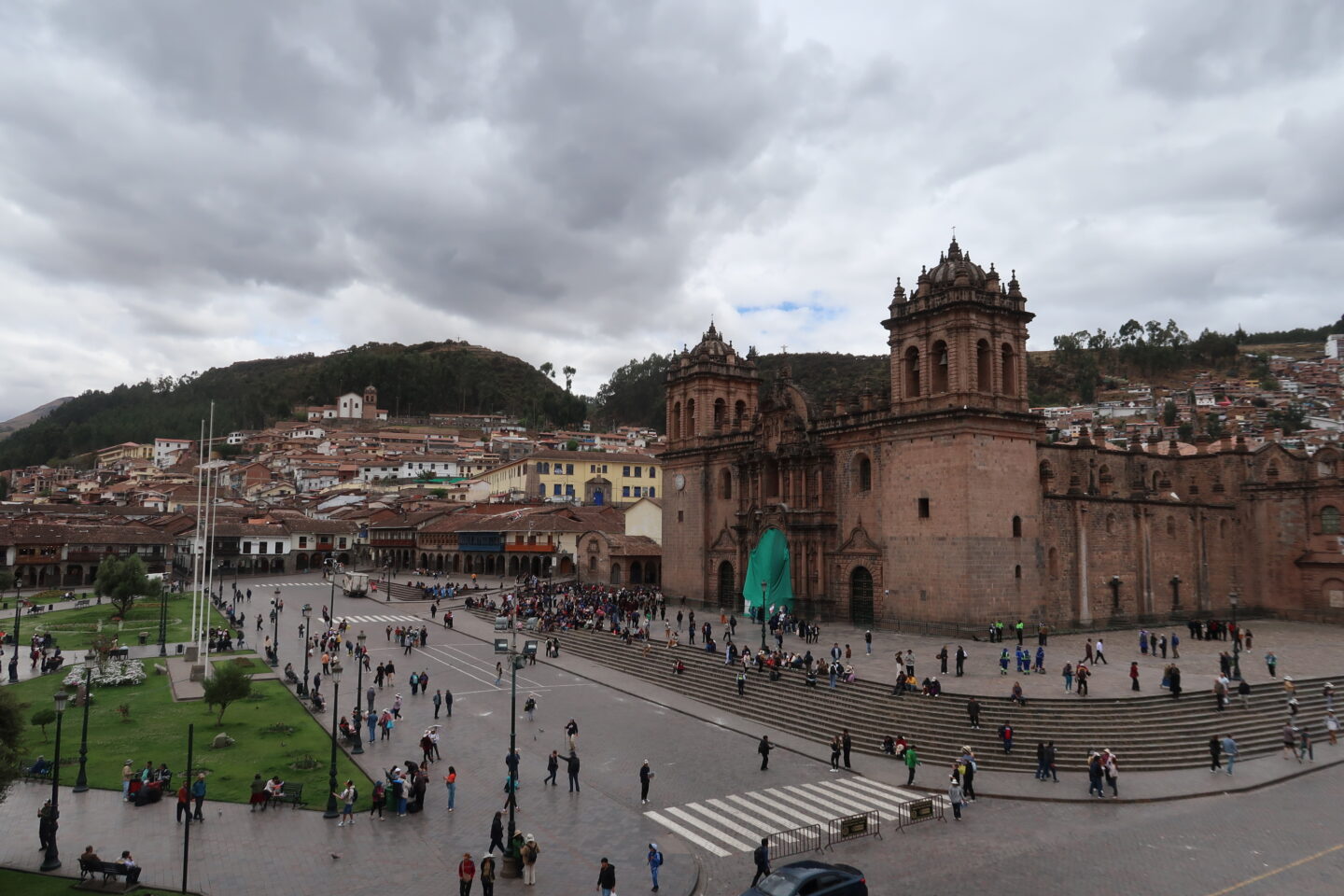
Cusco sits at 11,152 feet (3,399 meters), about 6,000 feet higher than Denver, and it hit my husband and I hard. We flew straight from Rio de Janeiro, at sea level, to Cusco. We had headaches, felt woozy, got winded just walking around town, and slept badly. It didn’t ruin the trip at all, but for the first two days we were moving at half speed in one of the most exciting cities we’ve ever visited. We’re both super fit and healthy people, too, so for it to rock us as hard as it did really says something.
Here’s what our itinerary was: two nights in Cusco, then three in the Sacred Valley, then Machu Picchu with one night in Aguas Calientes, then two more nights back in Cusco. On those last two nights in Cusco, we felt completely fine. Same city, same altitude, totally different experience. By then our bodies had adjusted, and we finally got to enjoy Cusco the way we wish we had on those first two days.
If we did it again, and we definitely will one day, we’d flip it.
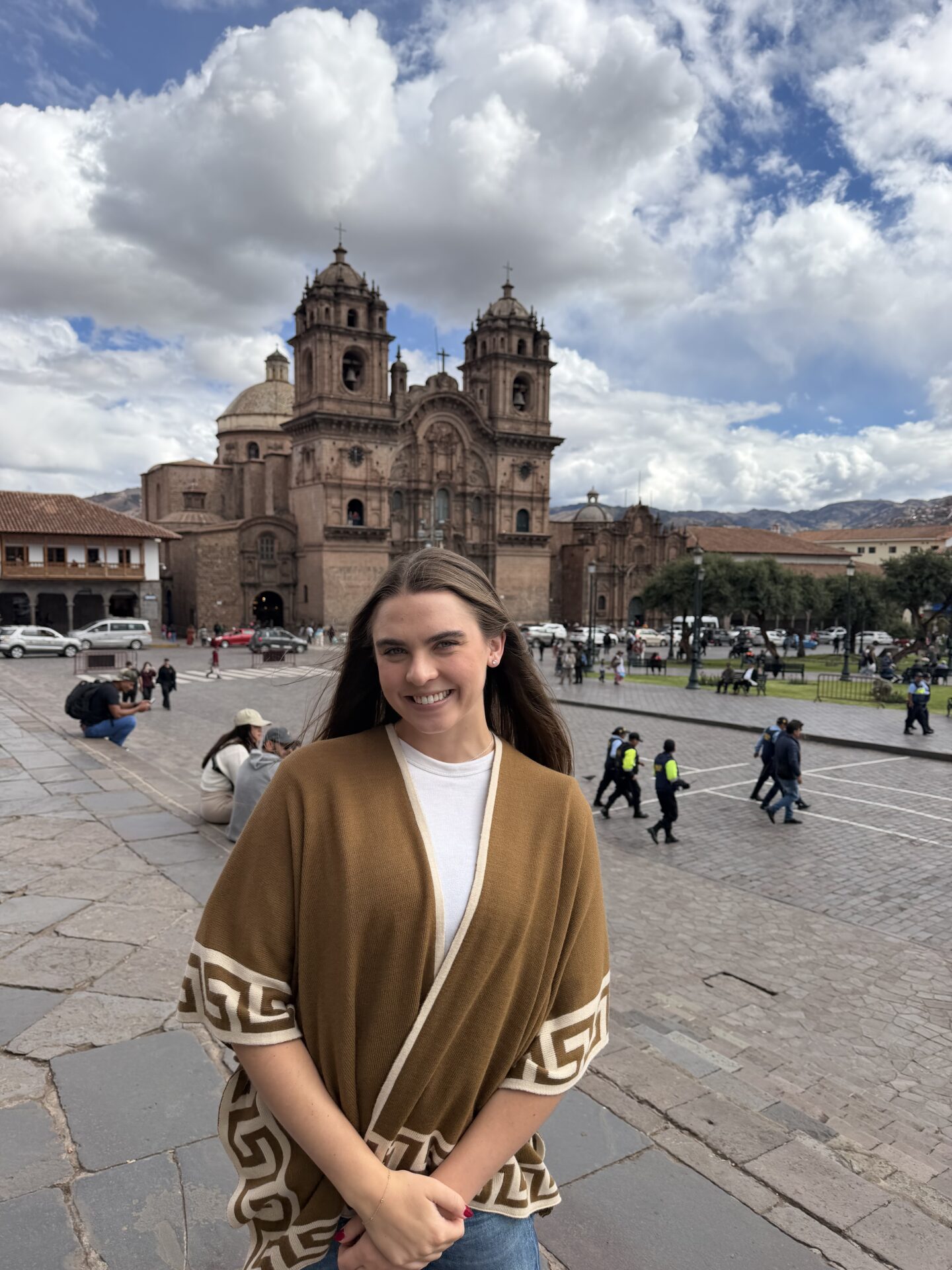
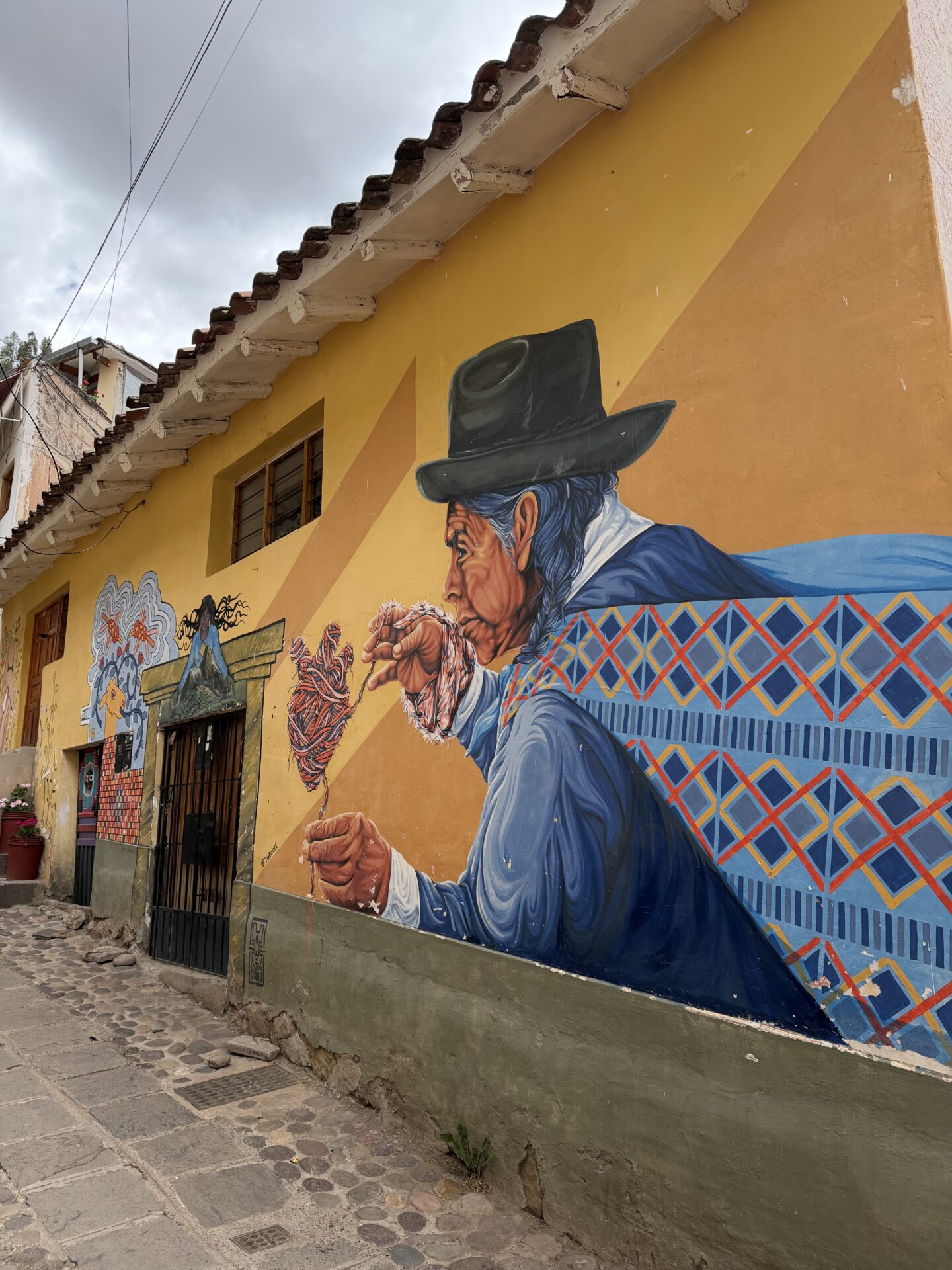
Why the Sacred Valley Should Come First
The Sacred Valley is a lot lower than Cusco. Ollantaytambo sits at about 9,160 feet, and Machu Picchu is lower still at roughly 7,970 feet. If you’ve been to Vail or Aspen, Colorado, it’s similar to that! If you land in Cusco and drive straight down to the valley, or take the train (about 90 minutes to Ollantaytambo), you skip the hardest part of adjusting. You spend your first few days at a more forgiving elevation, see Machu Picchu while you feel good, and finally arrive to Cusco already acclimated.
You also get to do the most physically demanding part of the trip on fresh legs instead of fighting a headache through it.
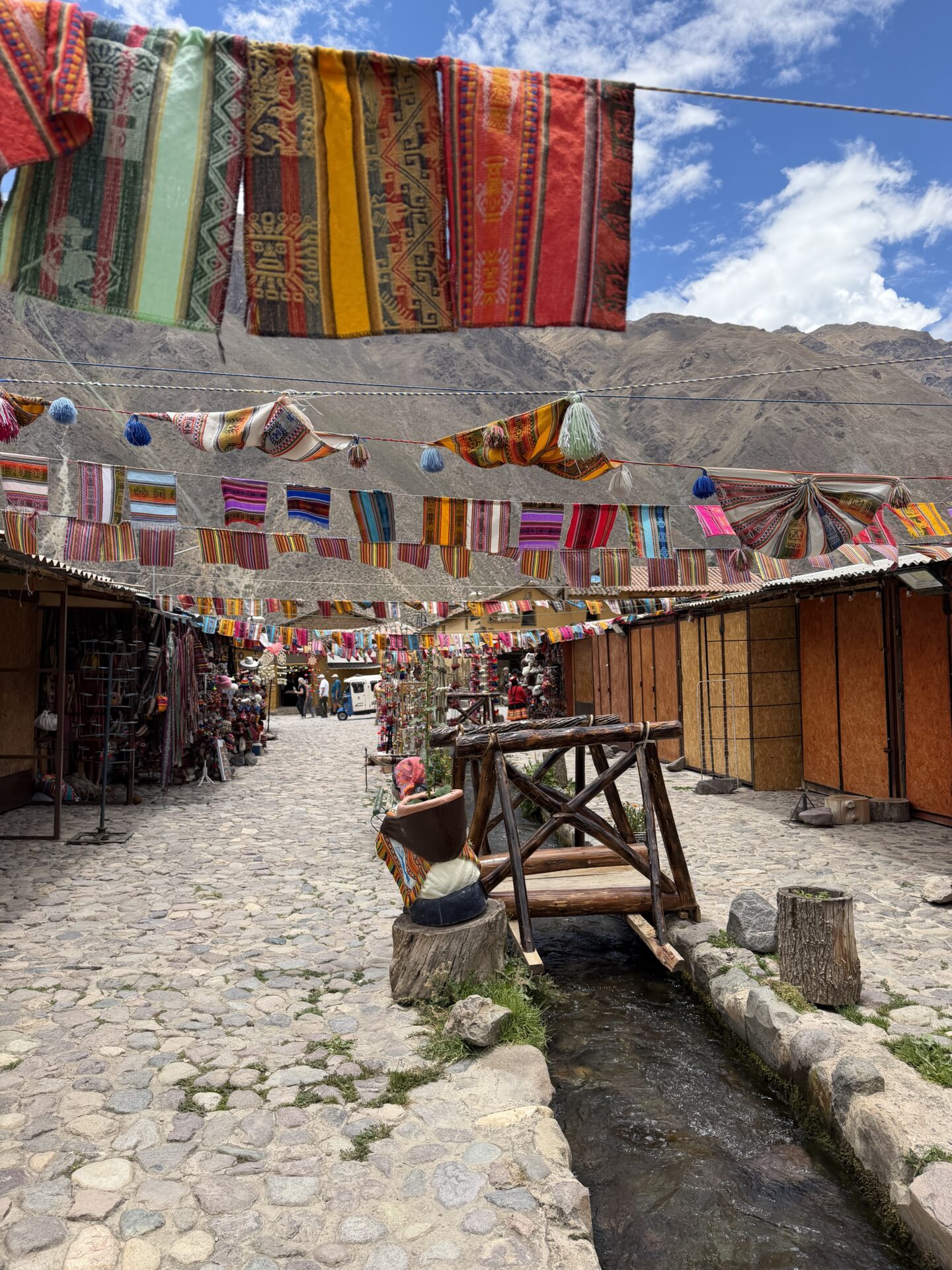
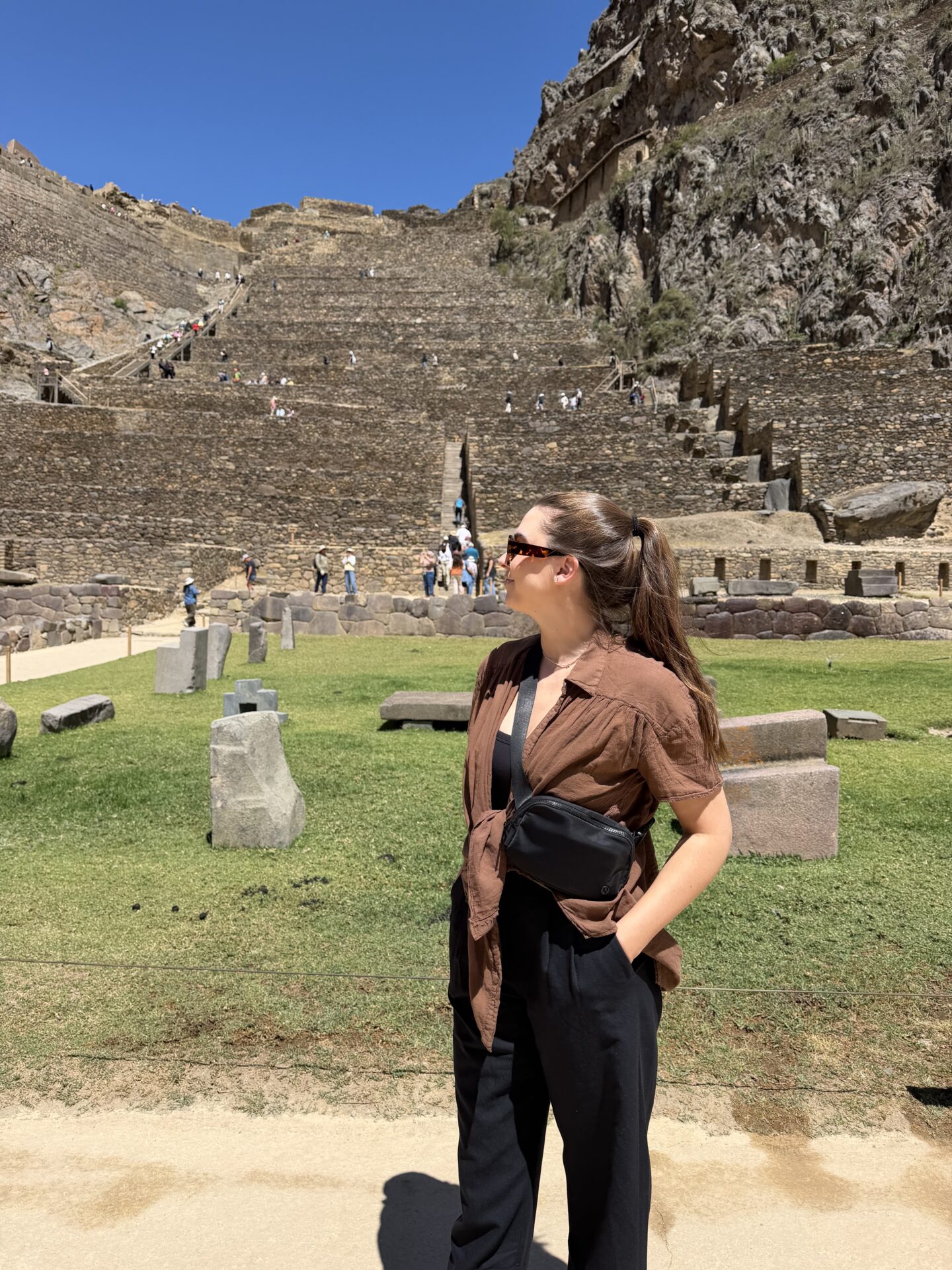
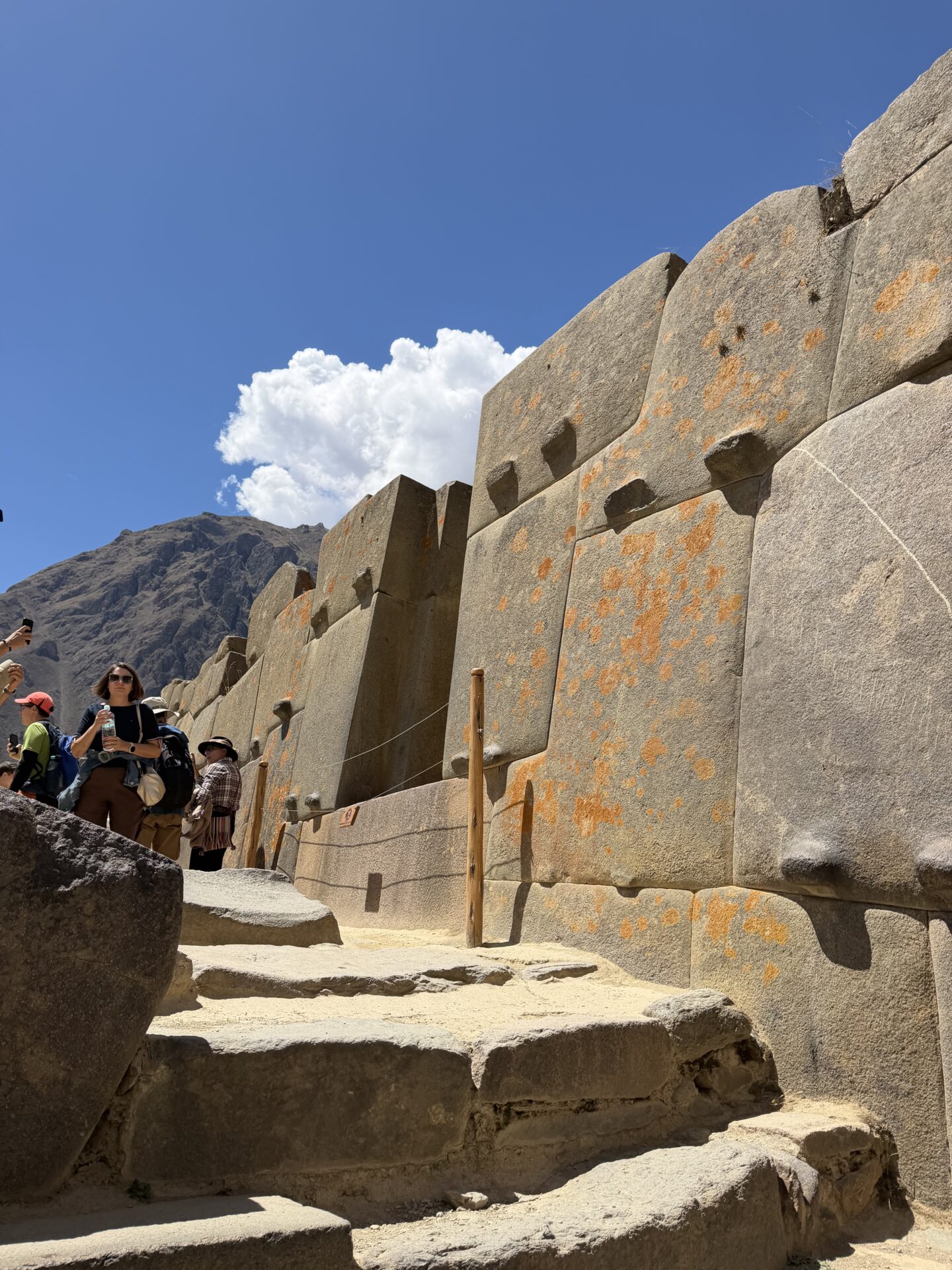
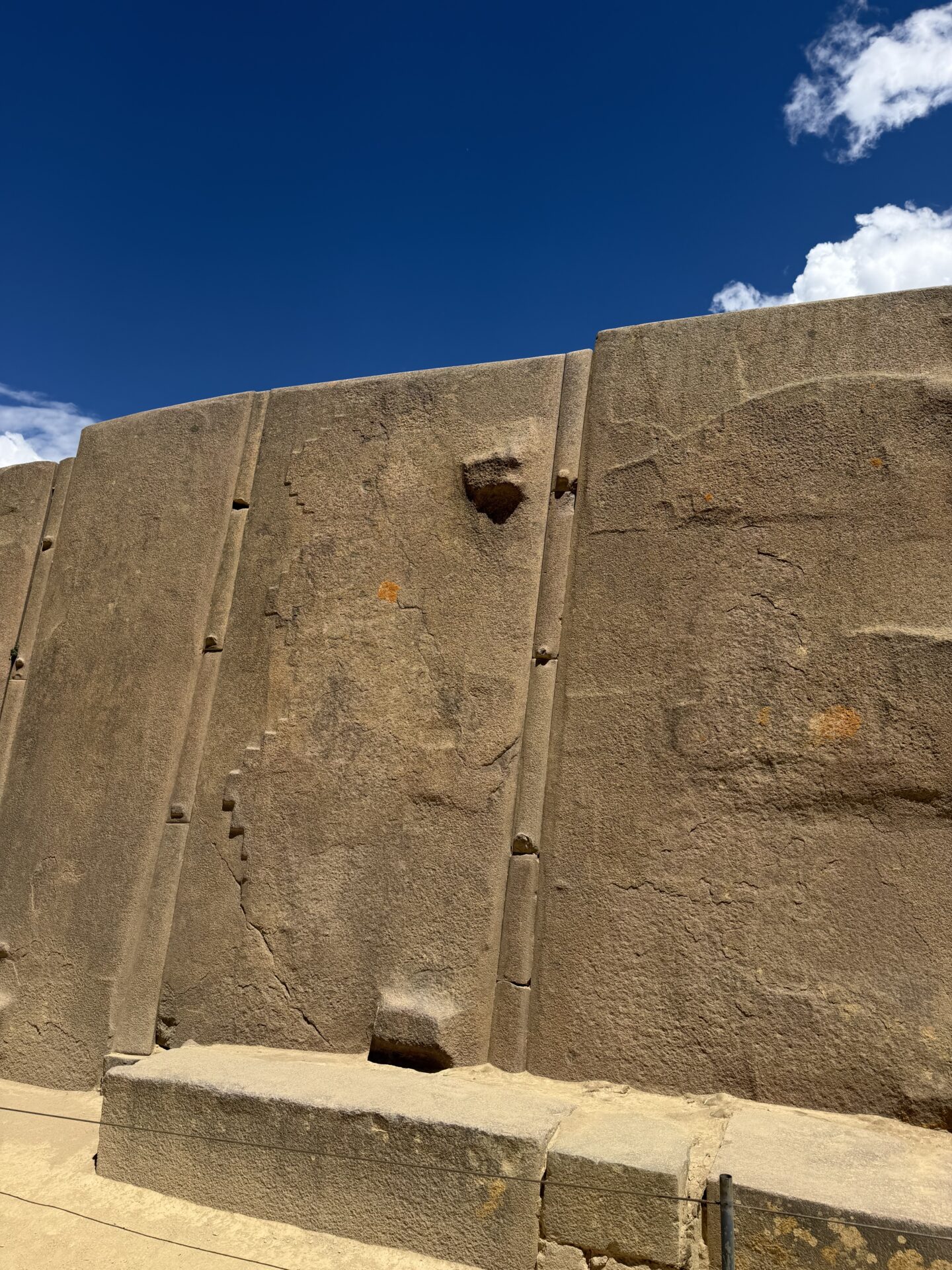
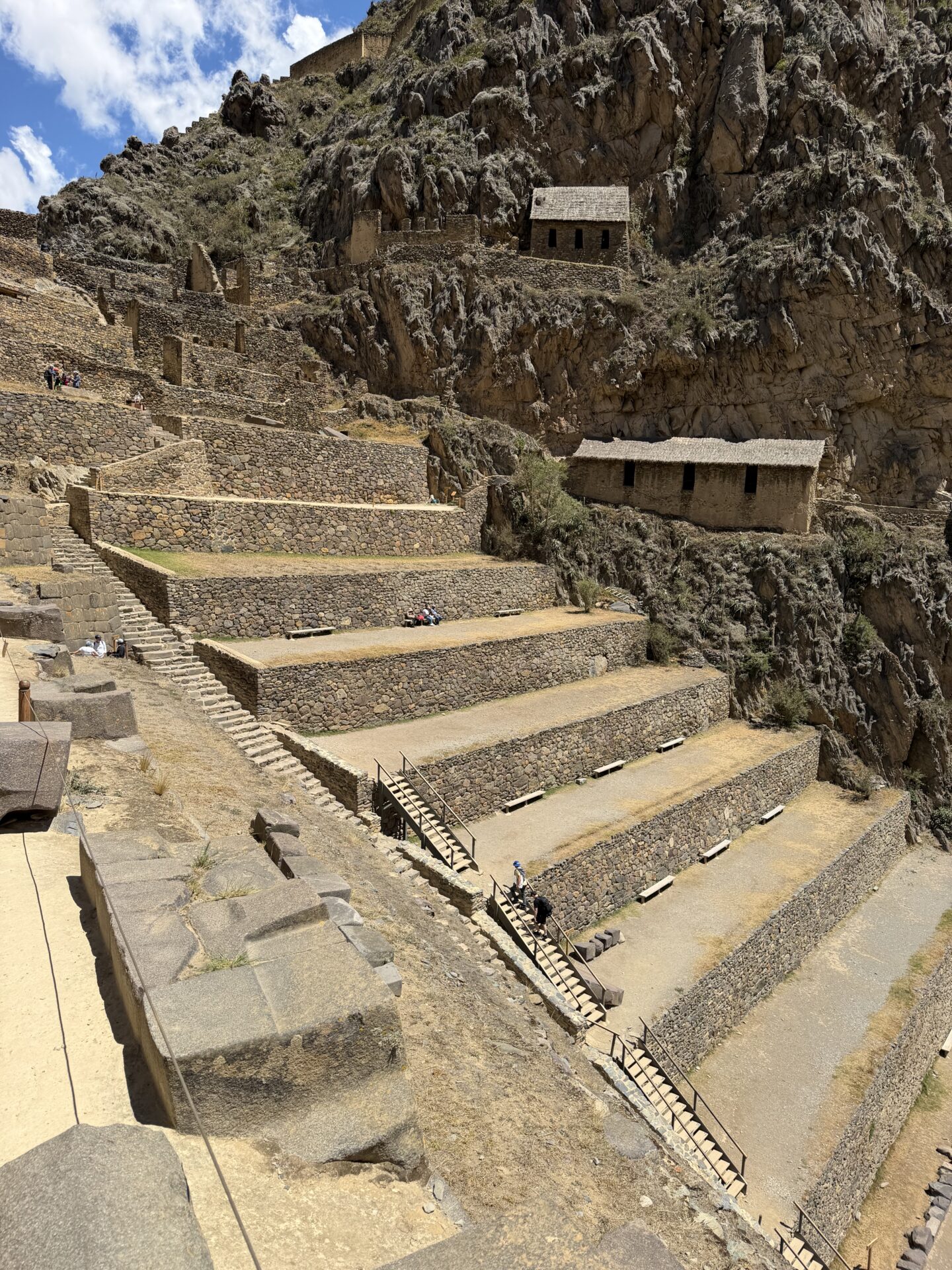
A lot of people treat the Sacred Valley as a stop on the way to Machu Picchu. Don’t just stop through here. It’s an incredible part of Peru with so much rich history. Spend intentional time here, specifically in Ollantaytambo, and stay a few nights!
Book Machu Picchu Before Anything Else
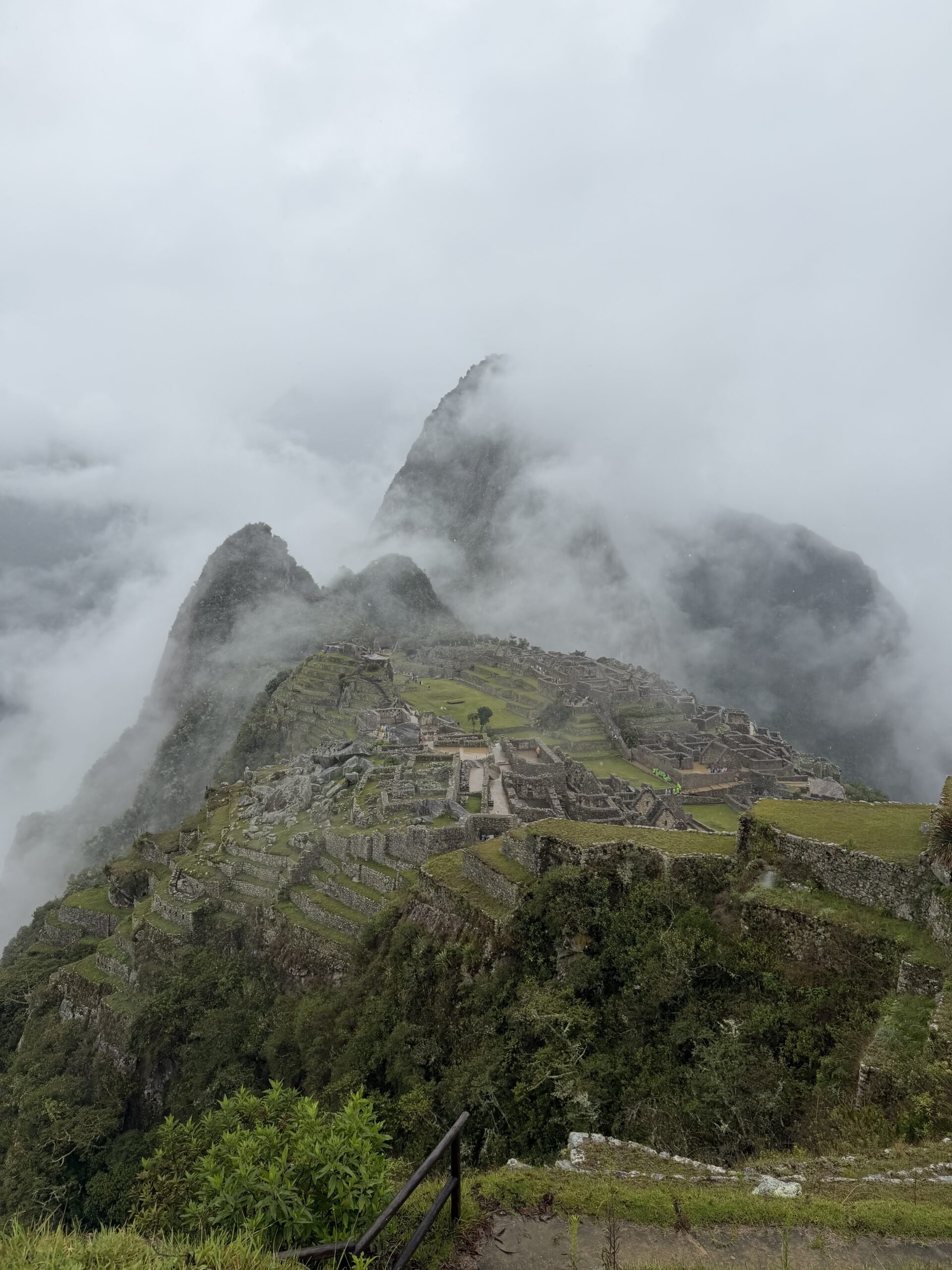
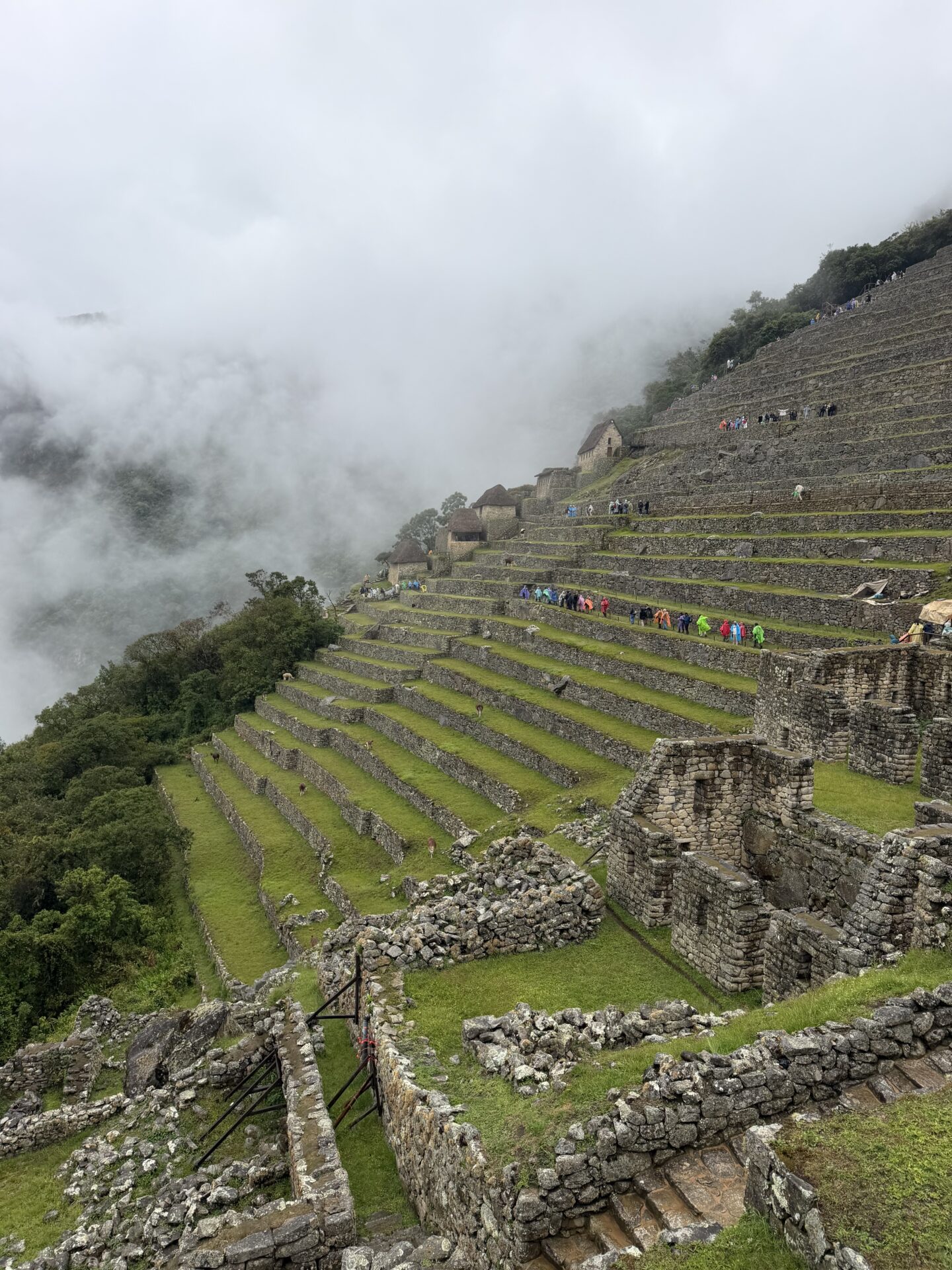
This is my #1 tip when planning a Machu Picchu trip. If Machu Picchu is part of your trip, book your entry ticket first, and then plan everything else around it. Tickets are limited and they sell out, especially in high season, so lock them in before you book a single hotel or train.
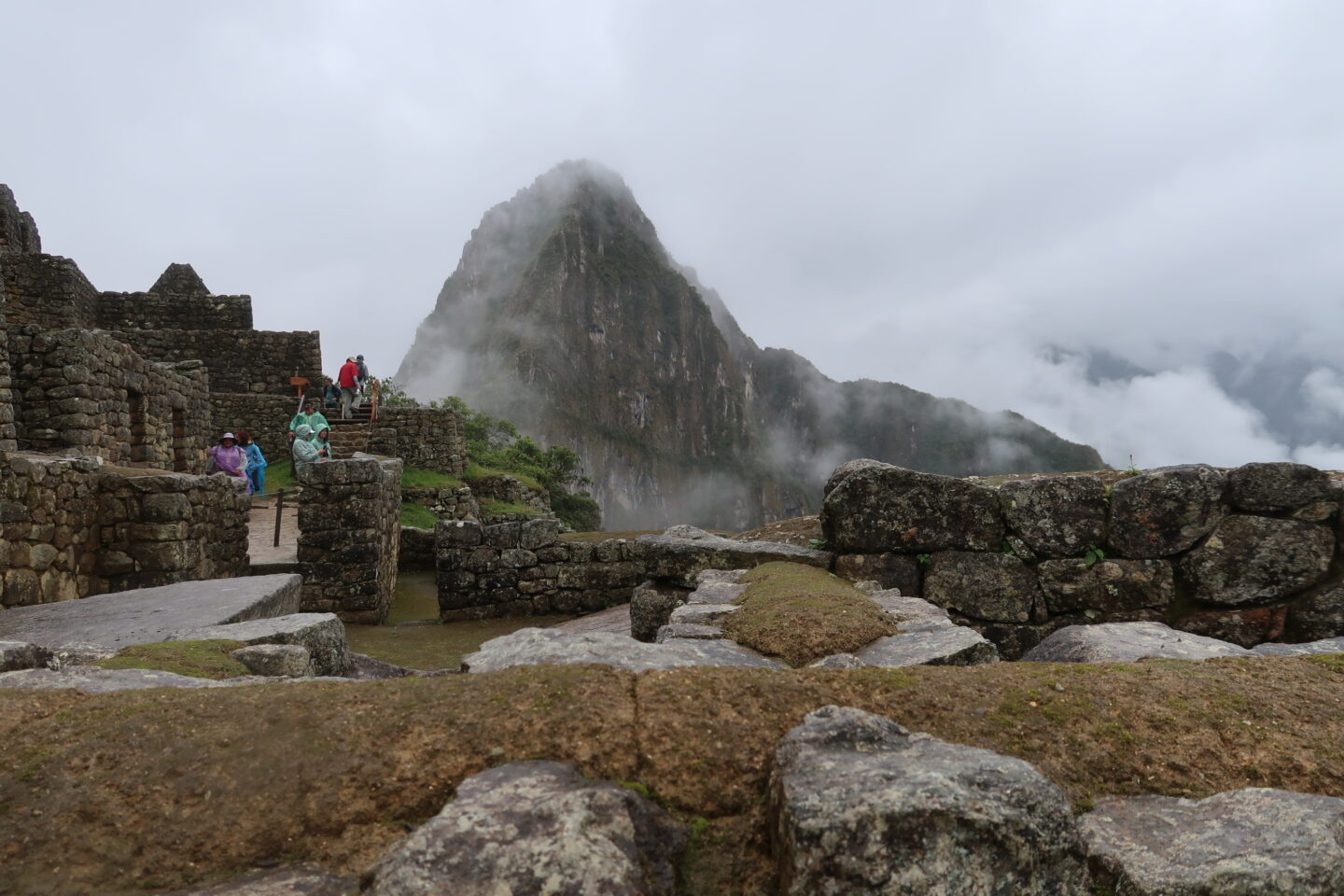
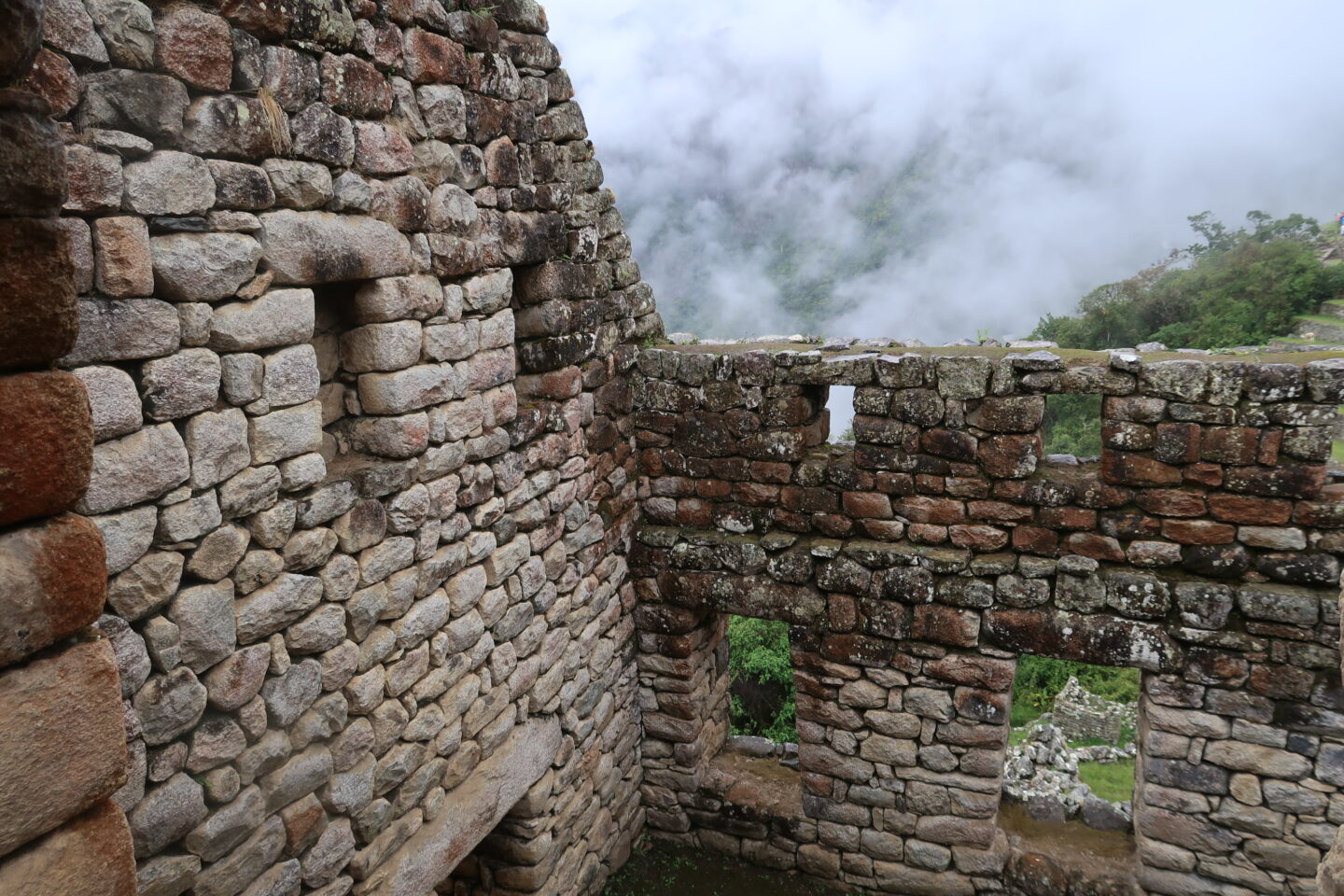
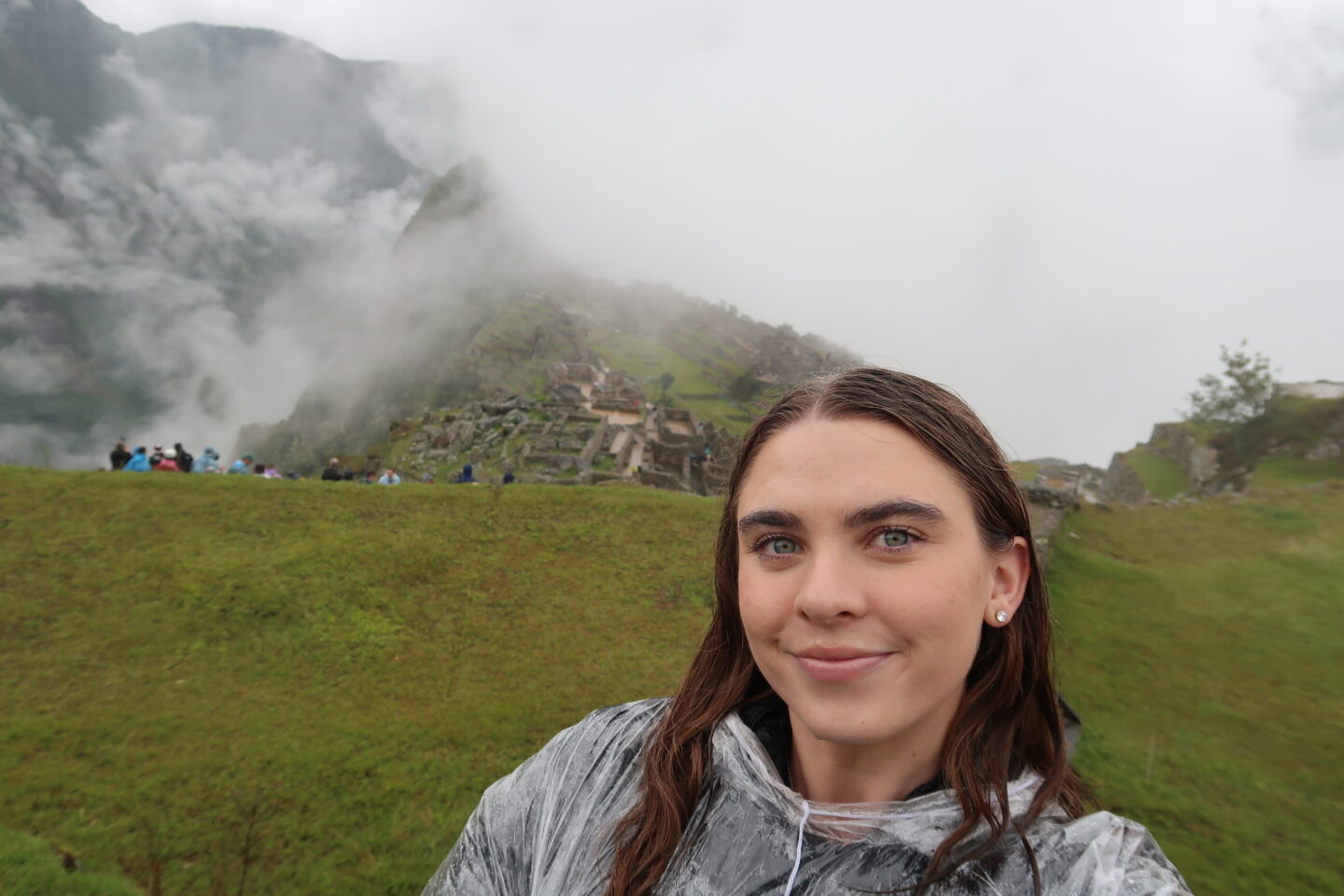
Choose
01. Your date
02. Your Entry Time
03. Your Circuit
The circuit you pick decides what you actually see in the site. I wrote a full breakdown of each one HERE.
Once your Machu Picchu date is set, work backward. Book a few nights in the Sacred Valley right before it, take the train from Ollantaytambo to Aguas Calientes, and finish in Cusco.
The Route I’d Recommend
- Fly into Cusco and go straight to the Sacred Valley.
- Stay in Ollantaytambo for two or three nights and explore. The town is beautiful and unlike anything I’ve ever seen. The ruins above it are worth a half-day.
- Take the train to Machu Picchu on the date you booked. Decide if you want to stay the night in Aguas Calientes or not- a guide on that is coming soon.
- End in Cusco, rested and adjusted, with enough energy to actually take it in.
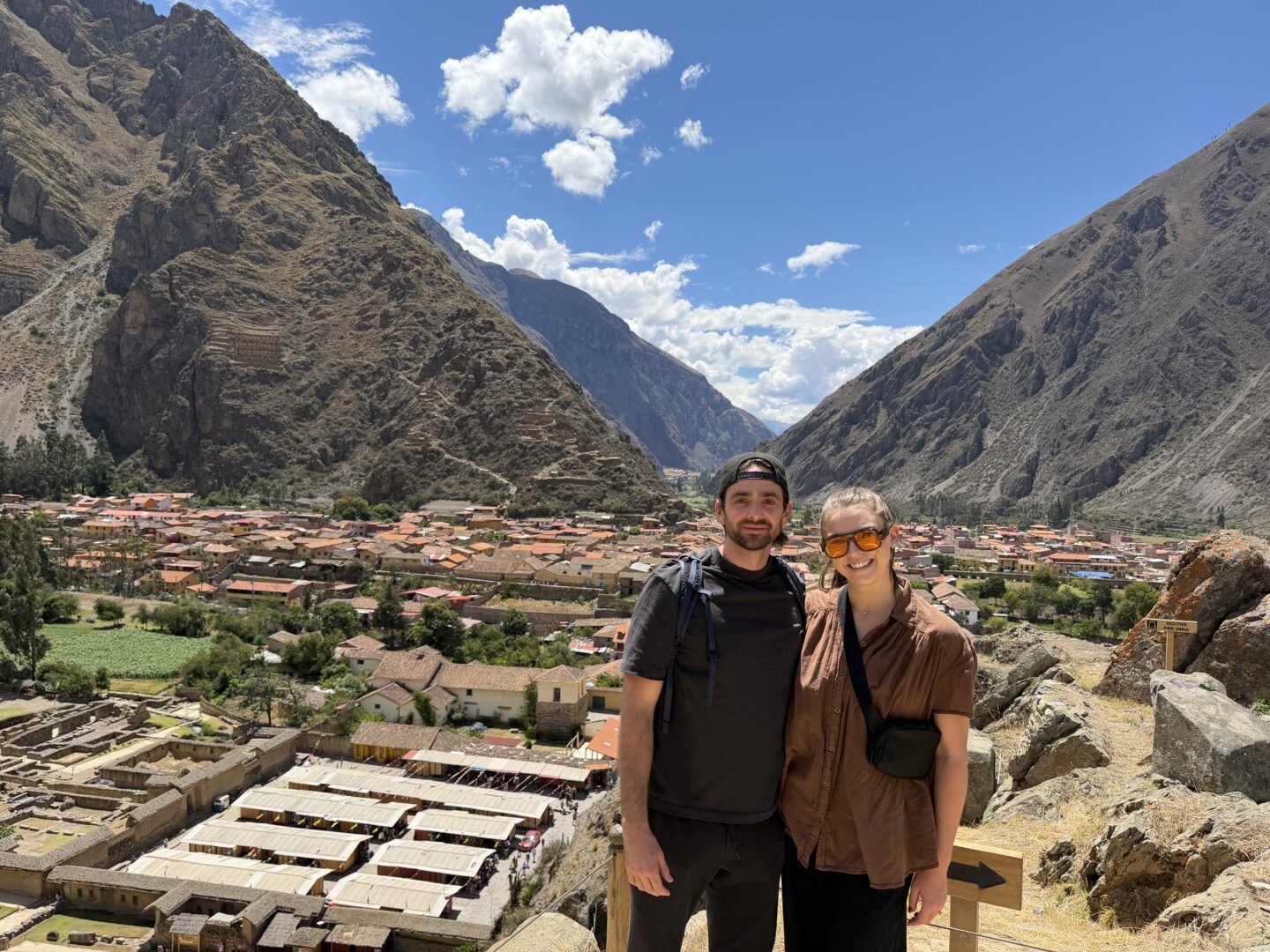
Where to Stay – Ollantaytambo
Where to stay – sacred valley
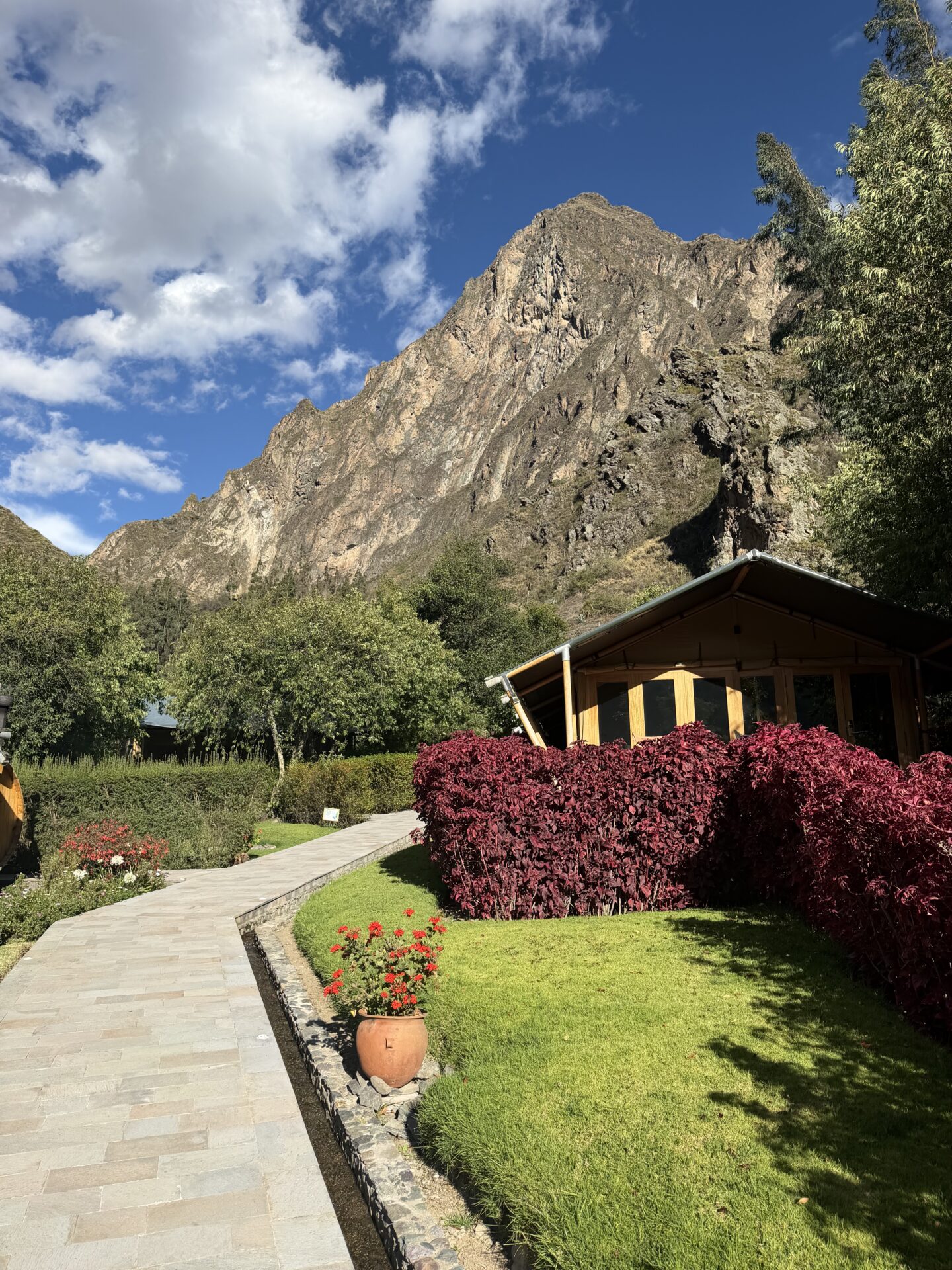
Las Qolqas Eco Lodge
This was the highlight of our trip. The food is farm-to-table, they’ll drive you into town and back whenever you want, and the whole property feels calm and tucked away, which you don’t find often. It’s one of my favorite places I’ve ever stayed.
Where to Stay in Cusco, Peru
Where to stay – cusco
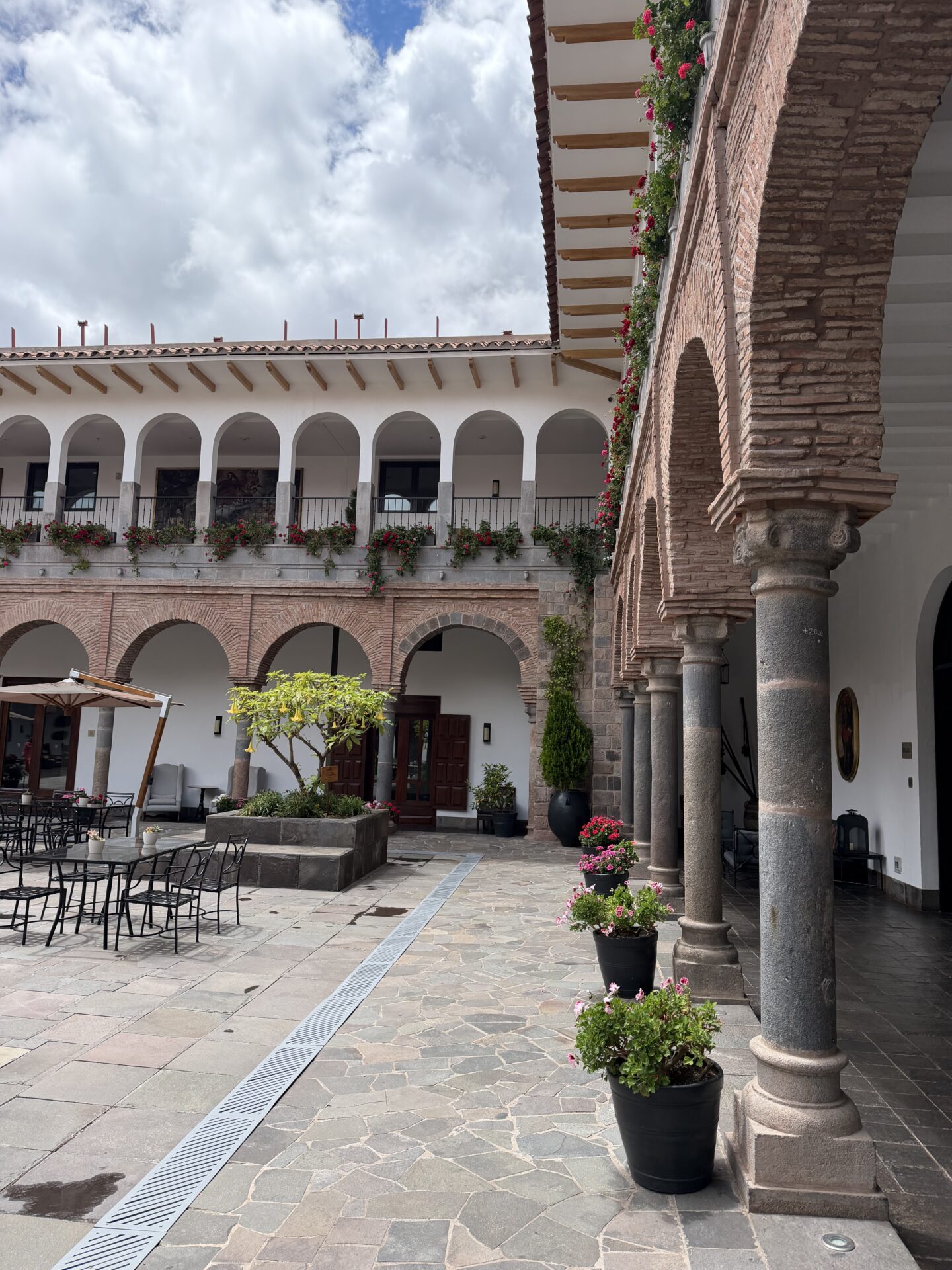
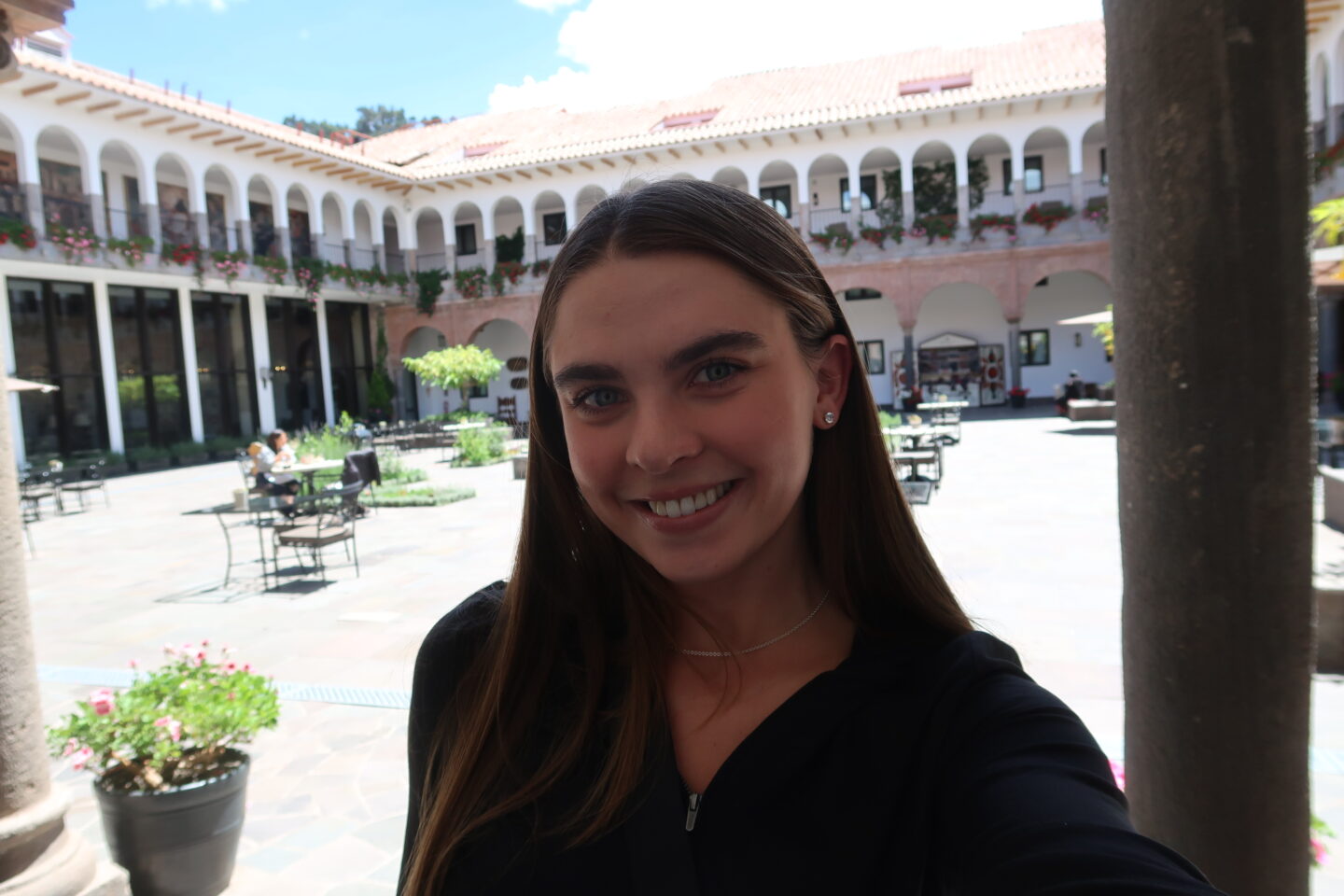
JW Marriott El Convento
This one matters for the altitude. They pump oxygen into the rooms, and you feel it. If you only have a night or two in Cusco, or you’re worried about how you’ll handle it, this is the one I’d book.
Where to stay – cusco
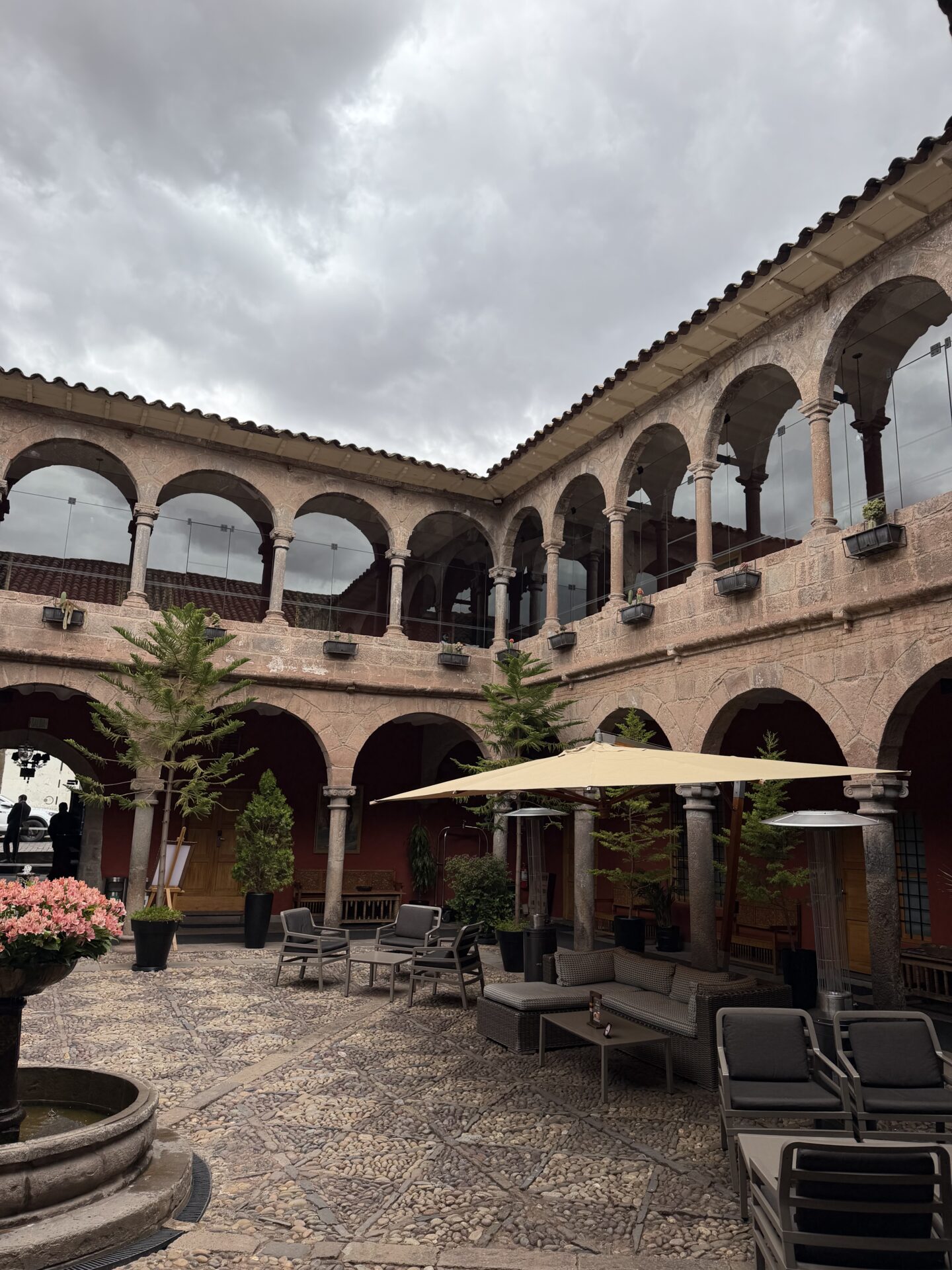
Wyndham Costa del Sol Cusco
We spent our first two nights here and loved it. It’s within walking distance of the center, the rooms are comfortable, and the breakfast is great. It costs a lot less than the JW Marriott, so if you’d rather spend on experiences than on your room, the location makes this an easy choice.
The Takeaway: Cusco or Sacred Valley First?
Cusco is well worth spending a few days in, but you’ll enjoy it much more once you’ve adjusted. Start low in the Sacred Valley, build the trip around your Machu Picchu date, and save Cusco for the grand finale. Even if you grew up at altitude like I did, don’t count on it to save you.


